Regardless of your project’s size, you are legally required to contact Colorado 811 at least three business days before you dig. Fortunately, our free and efficient service makes it easy to request information regarding the location of underground public utility lines.
1
Contact 811
Visit colorado811.org or call 811 to request a free underground public utility line locate. This service protects public underground utilities such as gas, electricity, water, sewer, and internet lines. Remember, “privately owned utilities” won’t be included in this service.
2
Wait and Track your Ticket
Wait at least 3 full business days and track your ticket on colorado811.org. Utility companies will respond with a message indicating the status of your request.
3
Respect the Marks
If utilities are present, the location of the utility line will be identified by paint and/or flags. Once marked, maintain the marks to ensure they remain visible while digging so you do not hit the lines below.
4
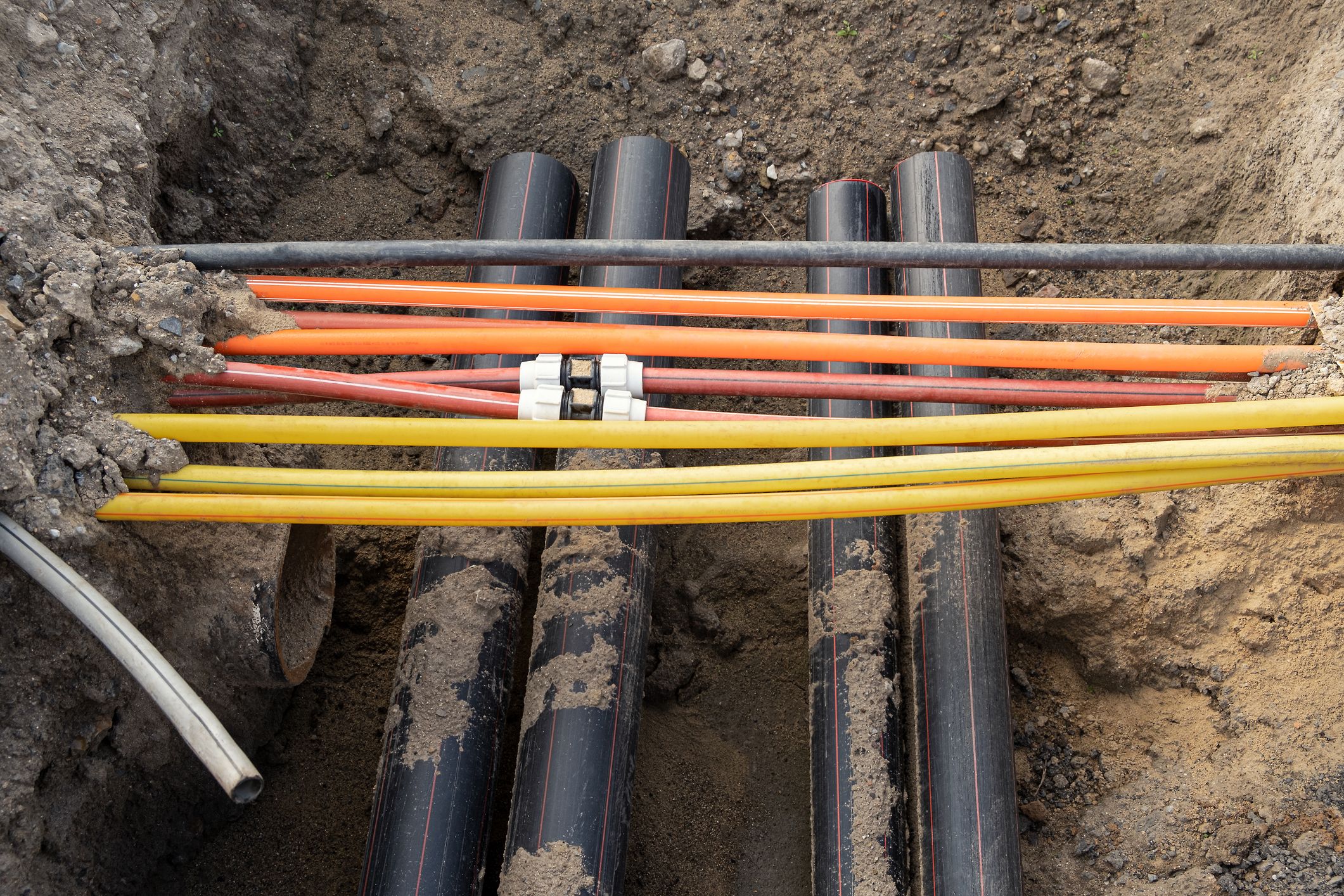
Dig Safely, Dig Carefully
Dig with care, using extra caution near markings. Always dig cautiously with hand tools when digging within 18 inches of a mark or flag for a public utility line. Ask your landscaper or excavator do to the same.

Colorado 811 Events Calendar
Stay connected and informed with Colorado 811 and the broader damage prevention community. This calendar highlights upcoming Colorado 811 events—from training sessions and Excavator Breakfasts to relevant industry and community events across the state. Whether you’re looking to enhance your knowledge, connect with peers, or stay up to date on safe digging practices, you’ll find valuable opportunities to engage and participate.
Explore the Calendar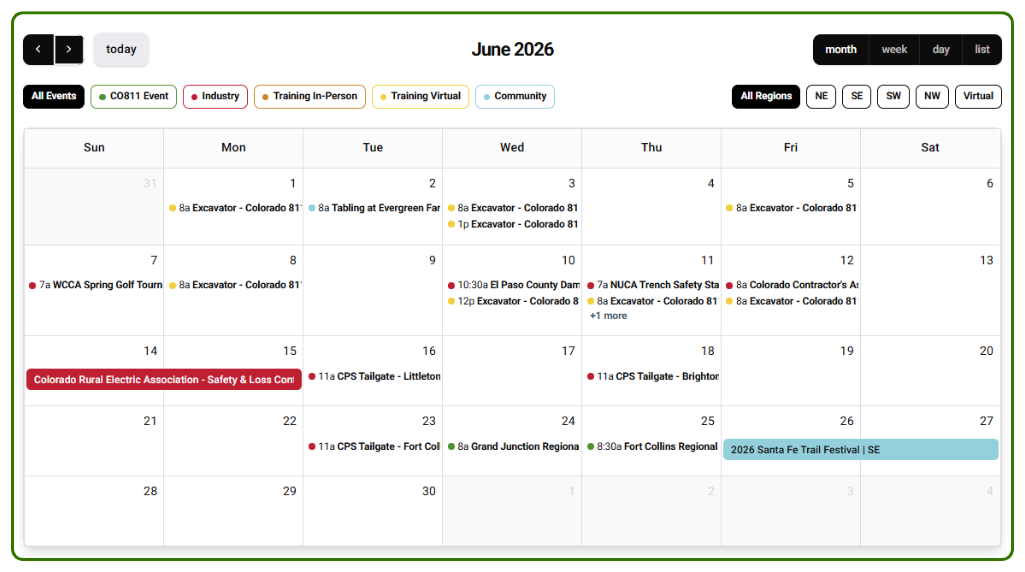
Celebrating 40 Years of Colorado 811
In 2026, Colorado 811 proudly celebrates 40 years of protecting Colorado’s underground infrastructure and supporting safe excavation across all 64 counties.
Over the past four decades, we’ve grown alongside our partners, now supporting more than 2,500+ members and processing 1.2+ million locate ticket requests each year, with 72% of those tickets submitted online.
As we recognize this milestone year, we remain committed to advancing damage prevention, improving technology, and serving Colorado for many years to come.
Things have changed since 1986 – let’s take a trip down memory lane…
Cost of Living
A gallon of gas cost approximately $0.89.
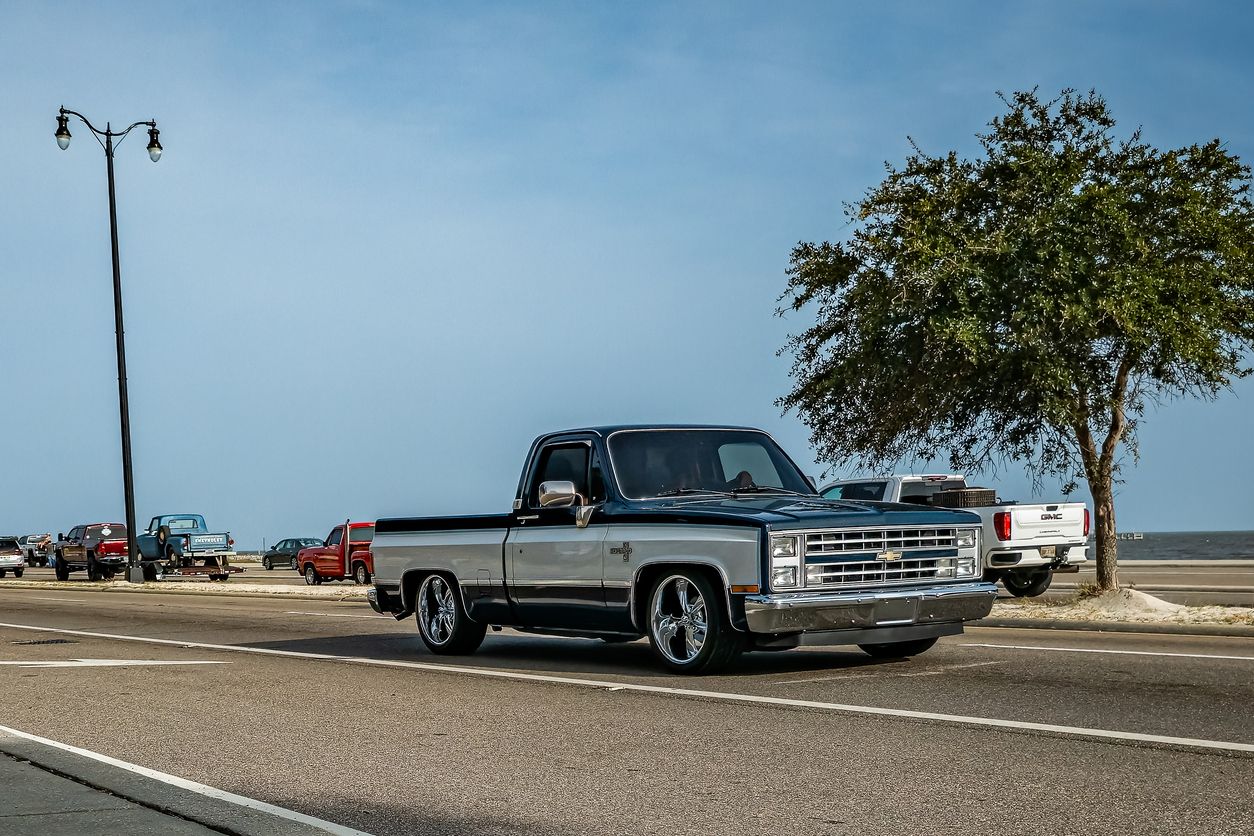
The average car cost $12,651,
A gallon of milk cost approximately $1.01–$1.11 per gallon.
The average home sold for approximately $111,900.
Pop Culture
Top Gun was the #1 film
Madonna’s "True Blue" album hit #1
The Oprah Winfrey Show debuted nationally.
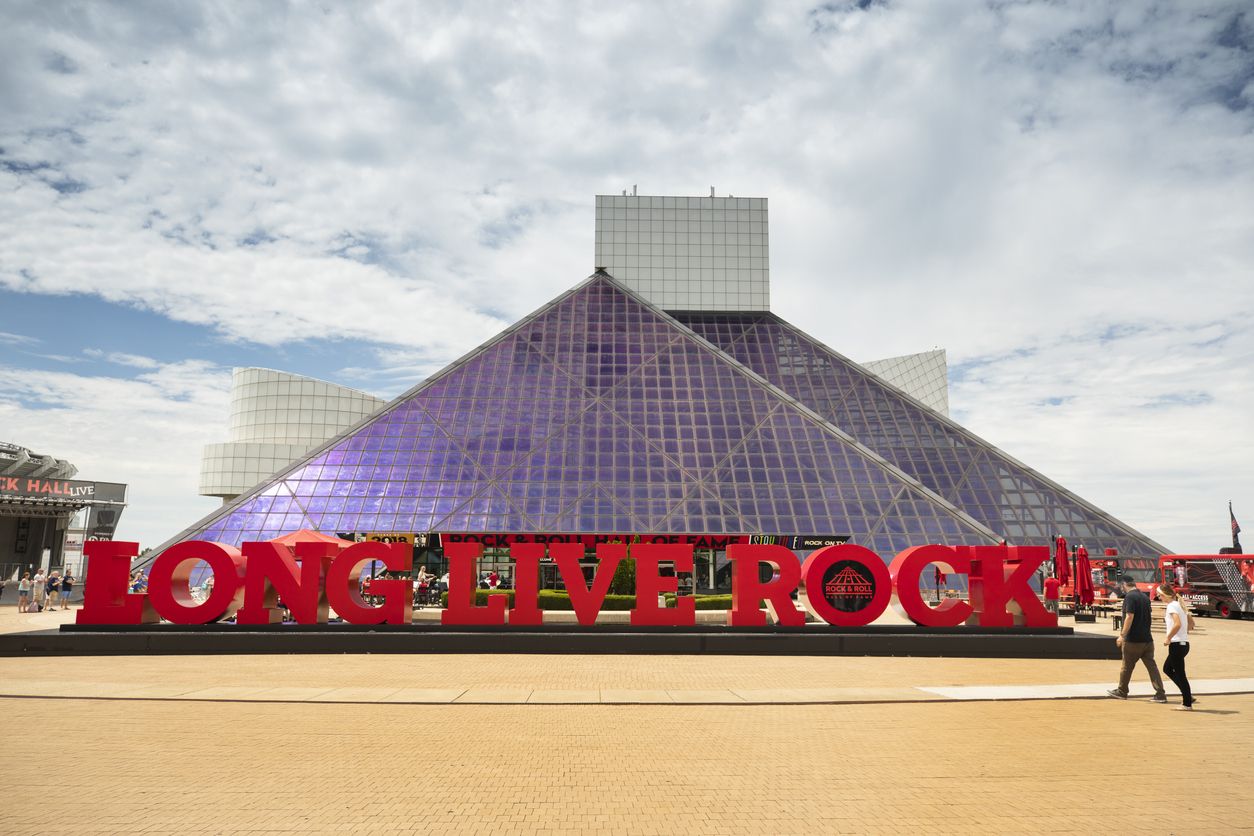
The first Rock & Roll Hall of Fame class was inducted, including Buddy Holly, Elvis Presley, James Brown, and Ray Charles.
Historical Events
Space Shuttle Challenger Disaster (Jan 28): The shuttle broke apart 73 seconds after liftoff, killing all seven astronauts, including teacher Christa McAuliffe.
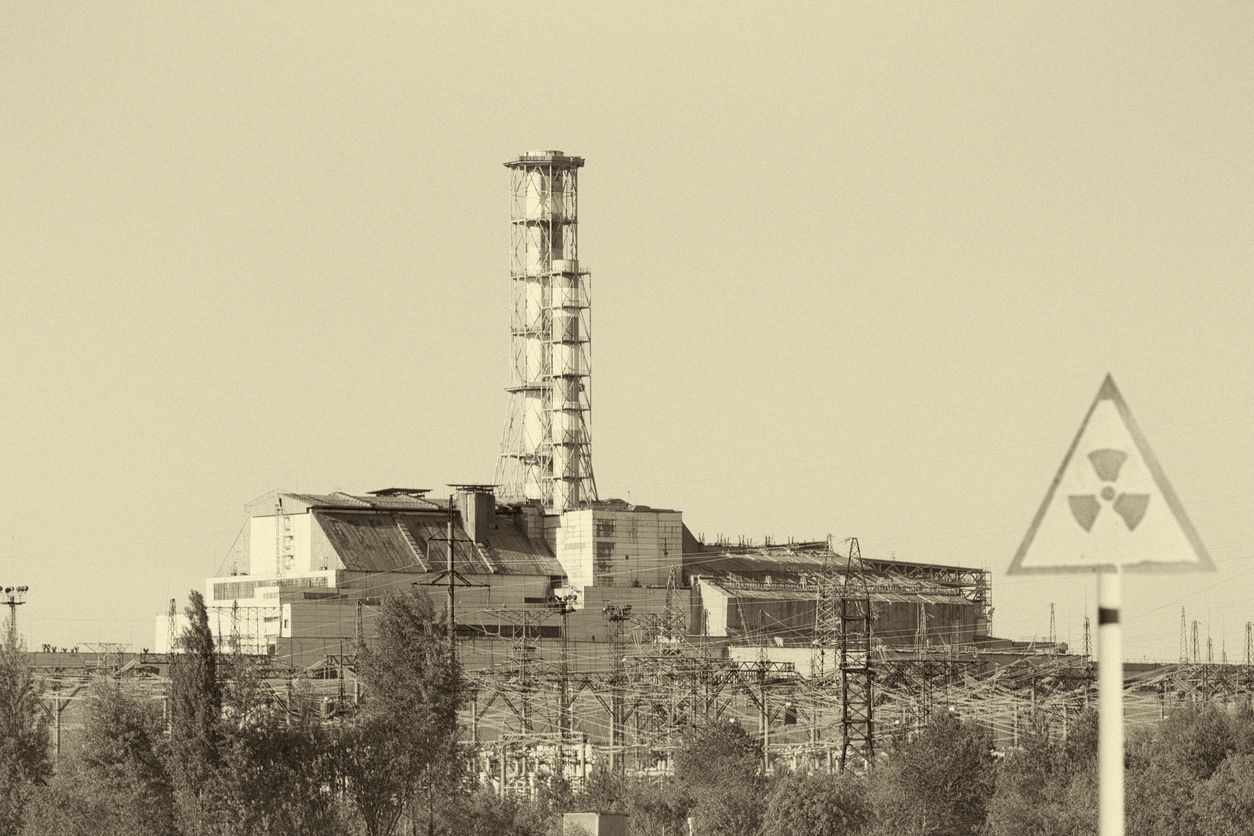
Chernobyl Nuclear Disaster (Apr 26): A reactor exploded at the Chernobyl Nuclear Power Plant in Ukraine, leading to the worst nuclear accident in history.
Underground Utilities
During the 1980s, many cities began moving overhead electrical lines underground to improve reliability and reduce visual clutter.
For instance, Fort Collins launched a major three‑year pilot program in 1987 after securing funding the year before. Around the same time, Manhattan Beach, California, approved its first large underground utility district project in February 1986.
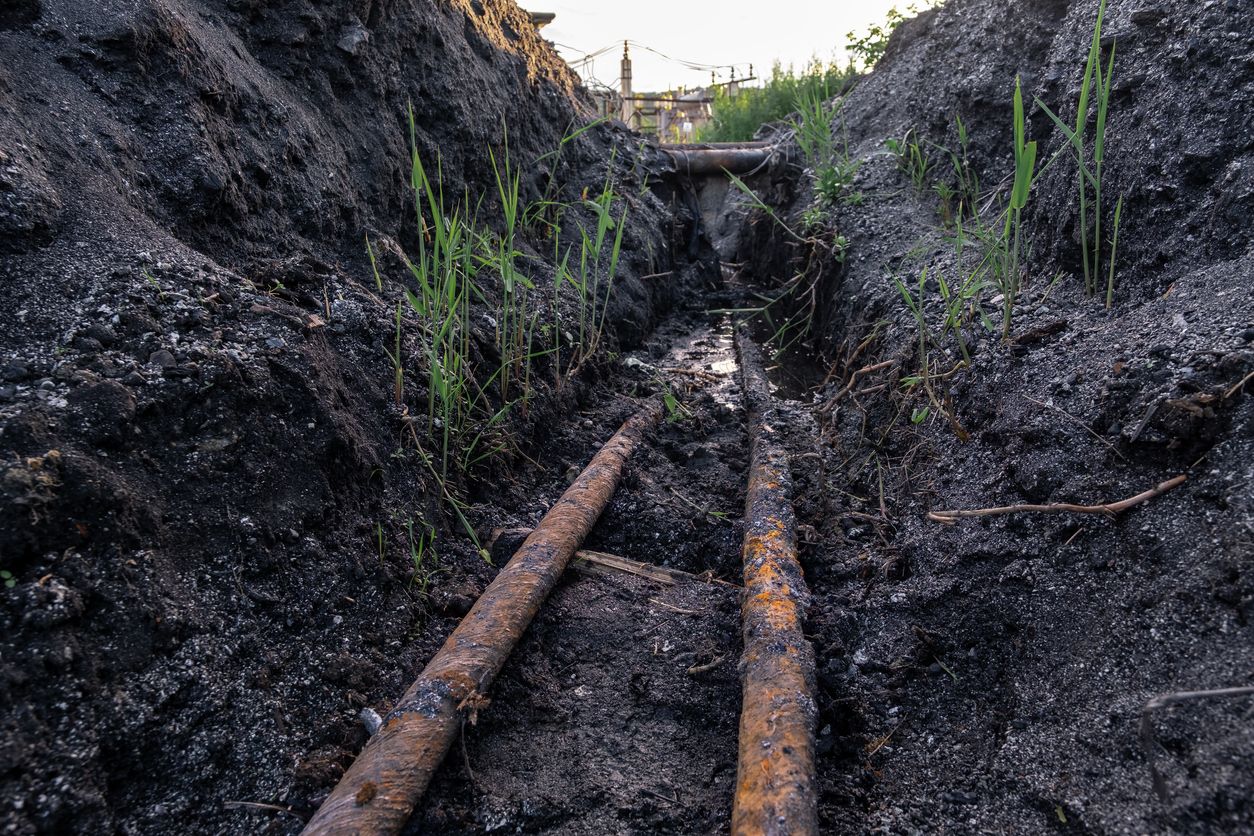
The 1980's also saw the rise of trenchless technology and microtunneling—innovative methods that made it possible to install utilities underground with far less disruption to streets, neighborhoods, and daily life.
From the early days of underground infrastructure expansion to today’s digital‑first damage prevention efforts, one thing has remained constant: the importance of protecting what’s below the surface. As Colorado 811 celebrates 40 years of service, we’re proud of how far we’ve come—and even more excited about what’s ahead. With strong partnerships, evolving technology, and a continued focus on safety, we’re committed to supporting Colorado’s communities and underground infrastructure for generations to come.