
Skip to Content

Latest from the Colorado 811 Blog

Discover the latest updates, insights, and resources from Colorado 811 on industry news, event highlights, and best practices in damage prevention.

Featured

Education

Private vs. Public Utilities

Understanding the difference between public and private utilities can be tricky. This blog post will explain the differences between the two, show you real-life examples, and help you determine what steps to take if you think there is a private utility in your dig area.

Read More

Latest from the blog

Virginia 811 Confronts CGA Data

News, Education

In advance of National 8/11 Day on Monday we’re sharing an embargoed press release and report that challenge a central claim shaping national policy and industry practices. Authored by Virginia 811 and published by the Alliance for Innovation and Infrastructure (Aii), the report confronts the Common Ground Alliance’s latest DIRT report and its widely repeated narrative that excavation readiness is essentially a “coin toss.” The new analysis offers data-driven evidence that this framing is both misleading and potentially damaging to the very systems it seeks to improve — with implications for broadband rollout, public safety, labor efficiency, and project delays across the country. This piece, titled “Sound and Fury, Signifying Nothing,” is grounded in Virginia-specific data and offers a compelling counterpoint: that readiness is far more robust and nuanced, and that national metrics lack contextual clarity. 

Read the press release here.

Read More

Private vs. Public Utilities: What’s the Difference?

Education

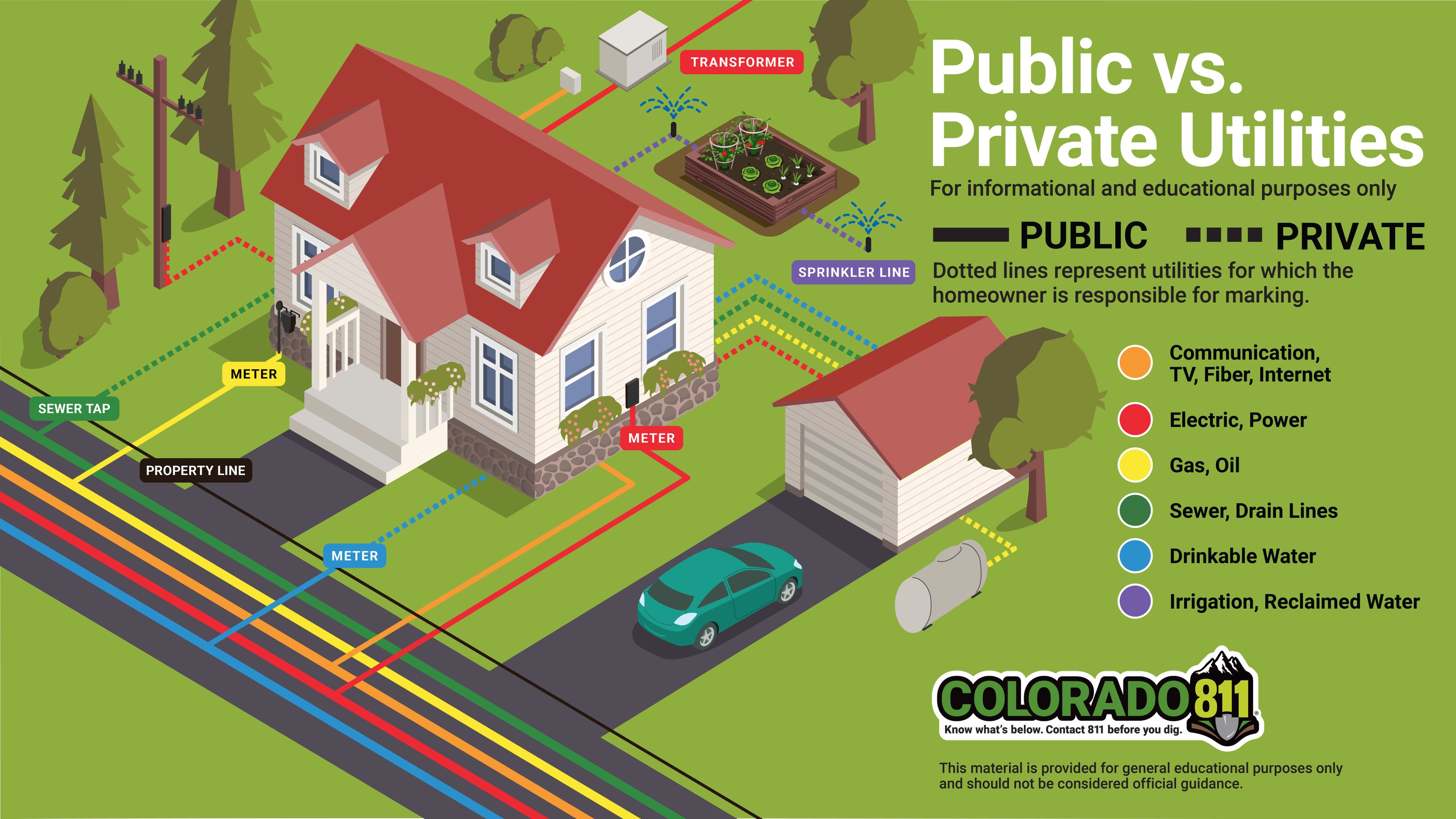
Understanding the difference between public and private utilities can be tricky. This blog post will explain the differences between the two, show you real-life examples, and help you determine what steps to take if you think there is a private utility in your dig area.

What is a public utility?

A public utility is owned by a company or organization that provides essential services. Public utilities typically include: electric, water, gas, communications and sewer. The public utility companies are responsible for maintaining their underground facilities. Part of that responsibility includes registering the utilities with 811 and locating in the public right-of-way, easement to include private property.

What is a private utility?

A private utility is owned and maintained by the property owner. Private utilities are not registered with Colorado 811. It is the excavator’s or property owners’ responsibility to have these utilities located at their own expense.

Common examples of private utilities include:

  • Sprinkler or irrigation systems

  • Electric running to a detached garage or shop

  • Lines connected to a propane tank or septic system

  • Gas lines under for grills and outdoor fire pits

  • Electric dog fence

Less common examples of private utilities:

  • Water – Customer owns the water line from the meter, property line or stop box to the building.

  • Sewer – Customer owns the sewer laterals from the tap at the sewer main into the structure, or from the property line into the home depending upon region.

  • Gas – Customer owns all the gas pipe after the meter.

  • Electric – Customer owns all the electric wires after the meter

  • Phone and Cable – Customer owns the service wire(s) from the backside of the protector or demarcation point.

It’s a common misconception that Colorado 811 marks all utility lines, including private utilities—but this isn’t the case. Colorado 811 serves as the communication link between you and public utility companies, which will mark their lines on your property.

For private utility lines, such as those for sprinkler systems, invisible fences, service lines or gas lines to a backyard grill, you’ll need to contact a private utility locating company. To find one near you, visit this page.

Remember, locating all utility lines—both public and private—is essential to digging safely.

Tips for working around private utilities:
  • Keep in mind that public and private utilities are likely in your dig area.

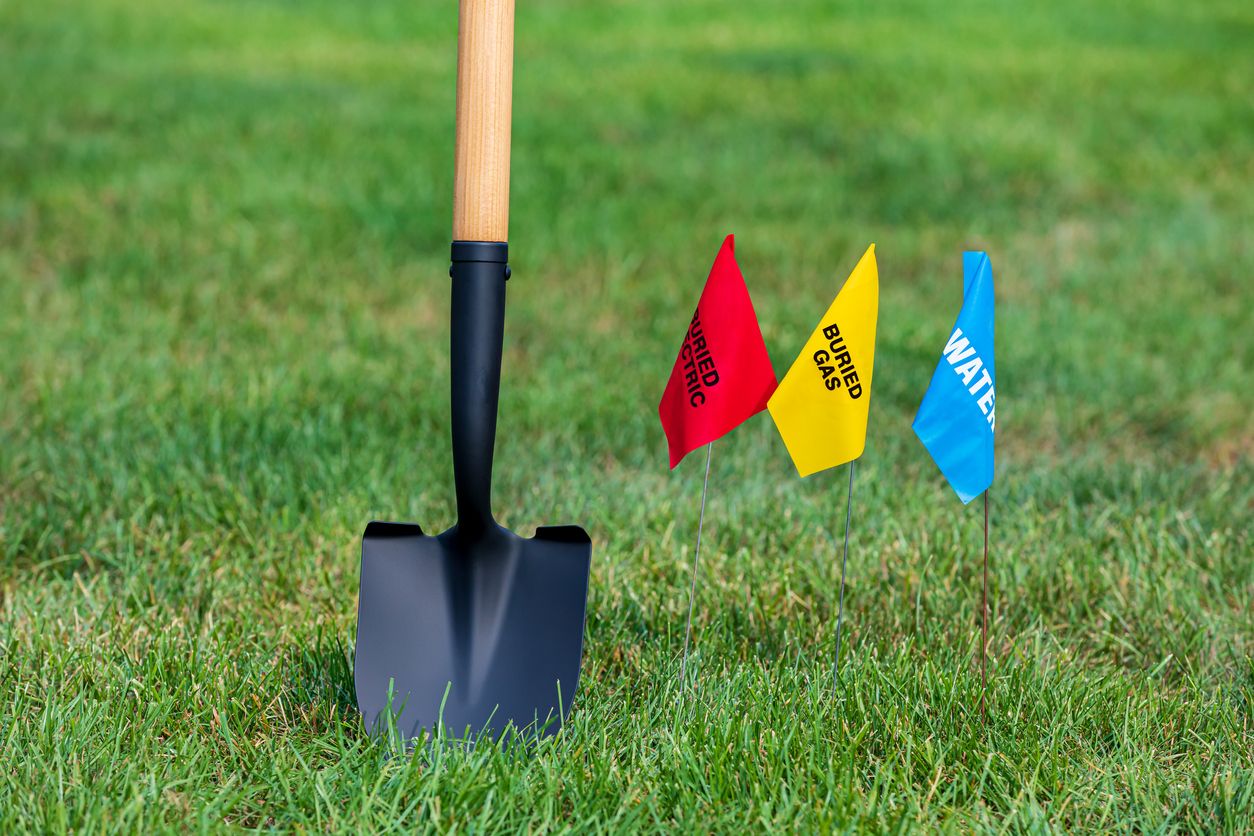
  • Contact 811 before digging to request that the utility companies mark your public utilities.

  • Leave room in your budget for a private locate to be performed, this cost can vary.

  • Document the private locate markings with photos.

Read More

Get Ready for Fall with this Fall Planting Guide

Education

Planting isn’t just for spring! Fall is an excellent time to get your hands dirty and grow a variety of plants. Wondering what you can plant in the fall? The answer is almost anything. From turfgrass and spring-blooming bulbs to cool-season vegetables, perennials, trees, and shrubs, autumn offers plenty of opportunities to enhance your garden.

Why is fall so great for planting? Cooler air temperatures are easier on both plants and gardeners, while the soil remains warm enough to encourage root growth until the ground freezes. In contrast, spring planting often has to wait for the soil to thaw and warm up.

Fall also boasts more planting-friendly days than spring, which can be hampered by heavy rains and unpredictable weather. On top of that, garden centers often offer discounts on their remaining inventory as the season winds down, making fall a budget-friendly time to stock up on plants.

While fall showers are generally abundant, you’ll need to water if rain falls short of an inch per week. Thankfully, pests and diseases are less of a problem during this season, and there’s no need for fertilizer. In fact, applying fertilizer in the fall can encourage tender new growth that’s vulnerable to winter damage.

Keep in mind, the window for fall planting closes about six weeks before your area experiences a hard frost, typically in September or October.

Use this list for Fall Planting Inspiration.

Pansies
Fall is the best time to plant pansies because the still-warm soil temperatures give their roots time to establish. By planting in fall, you’ll get two seasons of enjoyment out of these cool-season favorites. Remove spent flowers so the plant doesn’t use its energy to set seeds, and keep the soil moist. After the soil freezes, mulch plants to prevent alternate freezing and thawing cycles that can heave plants out of the ground. Learn how to select and grow pansies.

Cool-Season Vegetables
Many vegetables thrive in cool weather, including broccoli, Brussels sprouts, carrots, cabbage, kale, kohlrabi, lettuce, radishes, rutabaga, spinach, and Swiss chard.

Many fall-harvested crops should be planted in early August to give them enough time to mature. Always consult the seed packet to see how many days it takes until maturity, and count backward from your frost date to allow enough time.

Lettuce, spinach, and other greens with a short maturity time can be planted later in the season. Extend the growing season by planting them under floating row covers or cold frames that will shield plants from frost but still allow light, air, and water to penetrate.

Many root crops taste sweeter when they’re harvested after frost.
Learn more about cool-season crops.

Trees and Shrubs
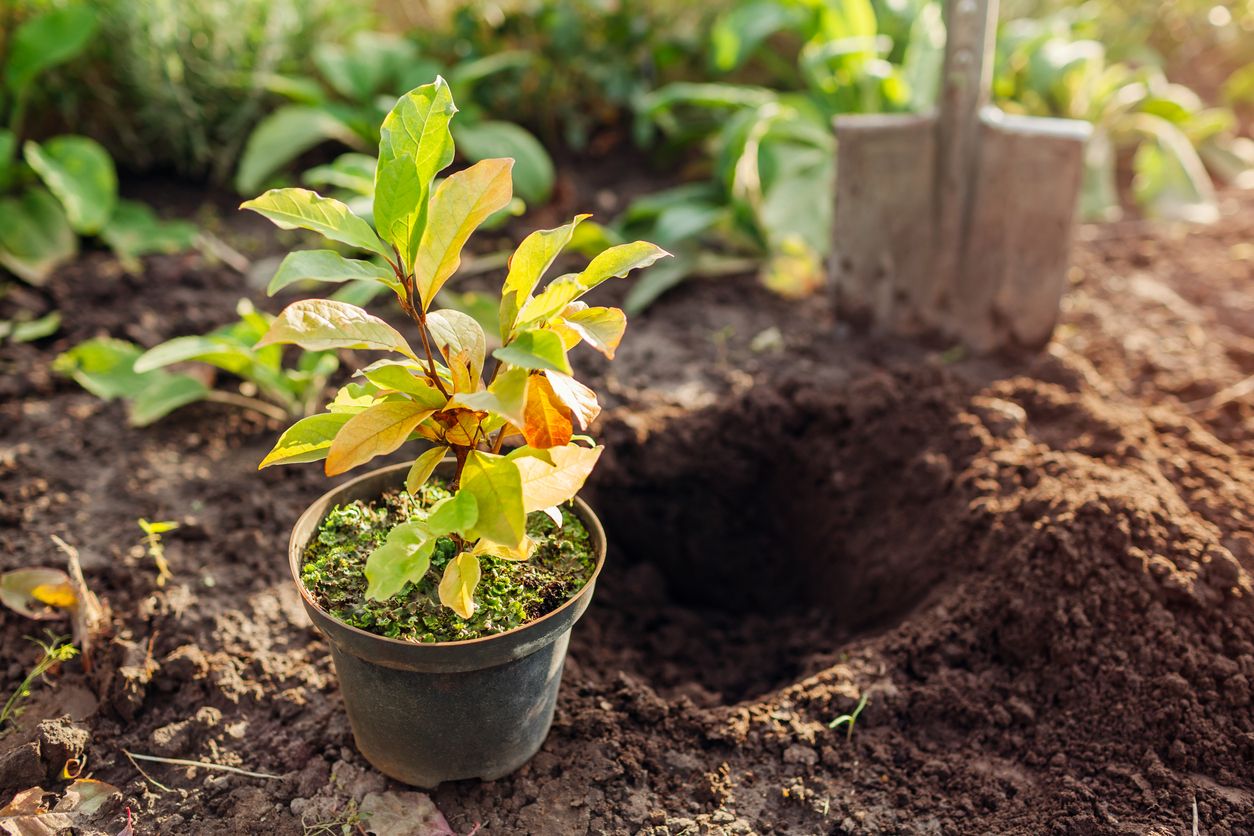
Fall is an ideal time to plant trees and shrubs. The weather is cool but the soil is still warm enough for root development. Before digging, always check with your local utility companies to locate any underground lines. Always plant trees and shrubs at their natural soil lines. Keep newly planted trees or shrubs well watered until the ground freezes so they get a good start before going into full dormancy during winter.
Learn more about planting trees and shrubs.

Read the full article here: What to Plant in the Fall http://bit.ly/1JPofnB

Before starting your garden or preparing a new garden bed, remember to contact Colorado 811. We act as the communication link between you and utility companies, ensuring your request to have underground utility lines located is sent to the right parties. While we don’t perform the locates ourselves, the utility companies will mark their lines so you can dig safely and avoid the risk of injury or utility damage.

Read More

Alkaline vs. Acidic Soil: Helpful Tips for Testing Your Soil’s pH

Education

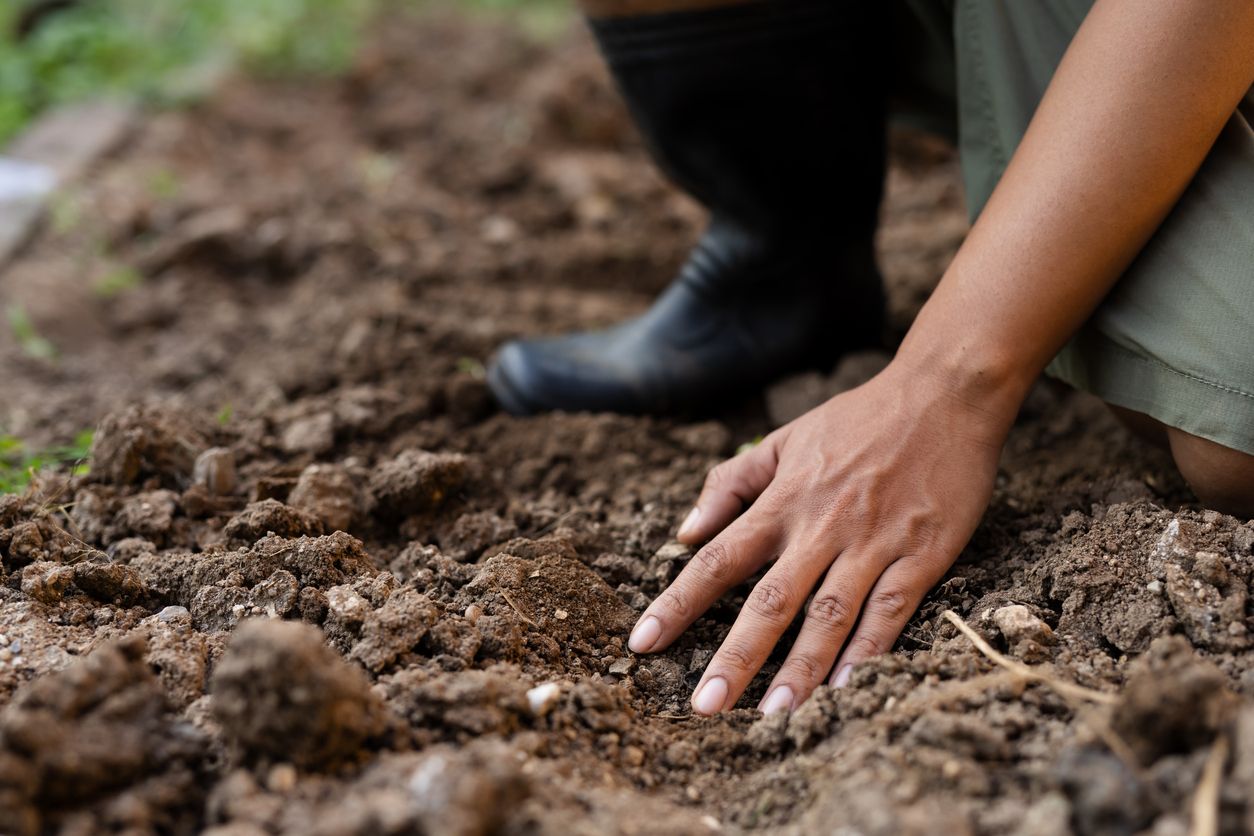
The acidity of your soil plays a crucial role in determining which plants will thrive in your garden. Some plants require specific pH levels and particular nutrients or minerals to grow successfully. To decide whether you need to adjust your soil’s pH—either raising or lowering it—the first step is to test and understand its current pH level.

Not everyone has access to special kits that can provide an accurate assessment of your soil’s pH. Fortunately, there are ways to do that without a kit.

You can test your soil with a combination of vinegar and baking soda. Collect some soil from different parts of your garden, and add about ½ cup of vinegar per 1 cup of soil. If it fizzes, your soil has a pH between 7 and 8, which is considered alkaline.

If it doesn’t fizz, use a second batch of soil in a second cup. Add distilled water to the container, then add ½ cup of baking soda. If it fizzes it means the pH is somewhere between 5 and 6 (acidic). The goal is to obtain soil that doesn’t react at all. This would mean the soil is neutral, having a pH of 7.

Once you know the pH levels, you can find out what type of plants will grow best in the soil on your property. Remember to contact 811 at least 3 business days before starting any digging project.

Read More

Why it’s Important to Aerate Your Soil

Education

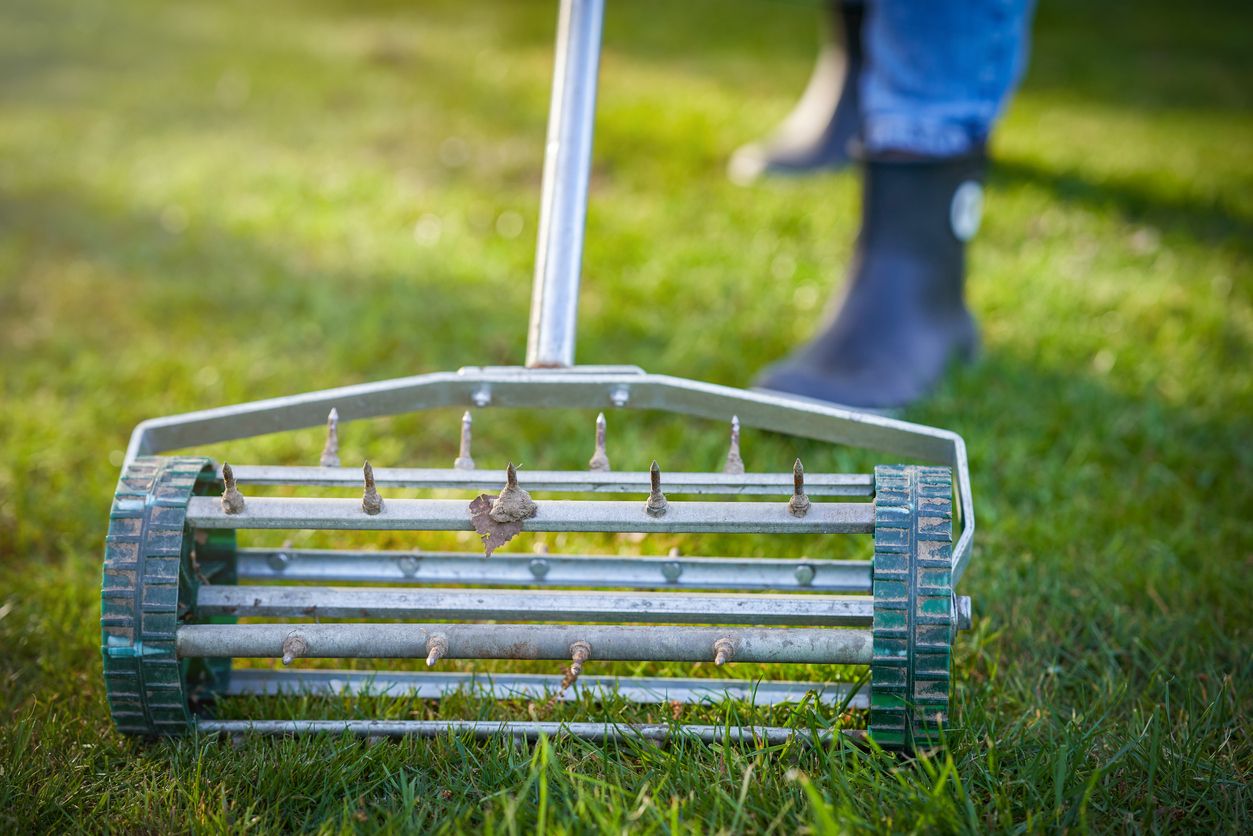
Aeration and proper fertilization maintain lawns healthy and green throughout the year. Compacted and hard soils turn the lawn brown or yellow, while at the same time increase the apparition of weeds. Aeration reduces compaction, oxidizes the soil and allows the roots to take the appropriate nutrients and grow as vigorous as possible. With the help of a lawn aerator, the soil is perforated with small holes to allow air, water and other nutrients to reach deeper.

The benefits of using a lawn aerator

If not aerated, compacted soil can prevent proper lawn growth, and the grass becomes more prone to diseases and insect invasions. Lawn aeration is also an ecological practice, because a healthy lawn with dense grass blades increases the amount of oxygen in the atmosphere and allows you to breath a fresher air. In addition, a lawn aerator:

  • Improves surface compaction and encourages the growth of new roots

  • Allows the roots to grow deeper

  • Improves nutrient absorption

  • Reduces the accumulation of straws

  • Improves soil permeability

  • Improves drainage, reducing the risk of fungal diseases

  • Improves air exchange between soil and the atmosphere

Lawn aerators can be electric (they extract the earth from the holes they produce with the help of metal cylinders, leaving behind some small earth cylinders) and mechanical (they drill holes, but do not extract the soil from them).

Before using a lawn aerator or doing any other excavation on your property remember to contact 811 at least 3 business days before you plan to dig.

Read More

Categories

Accessibility Tools