Skip to Content

Latest from the Colorado 811 Blog

Discover the latest updates, insights, and resources from Colorado 811 on industry news, event highlights, and best practices in damage prevention.

Featured

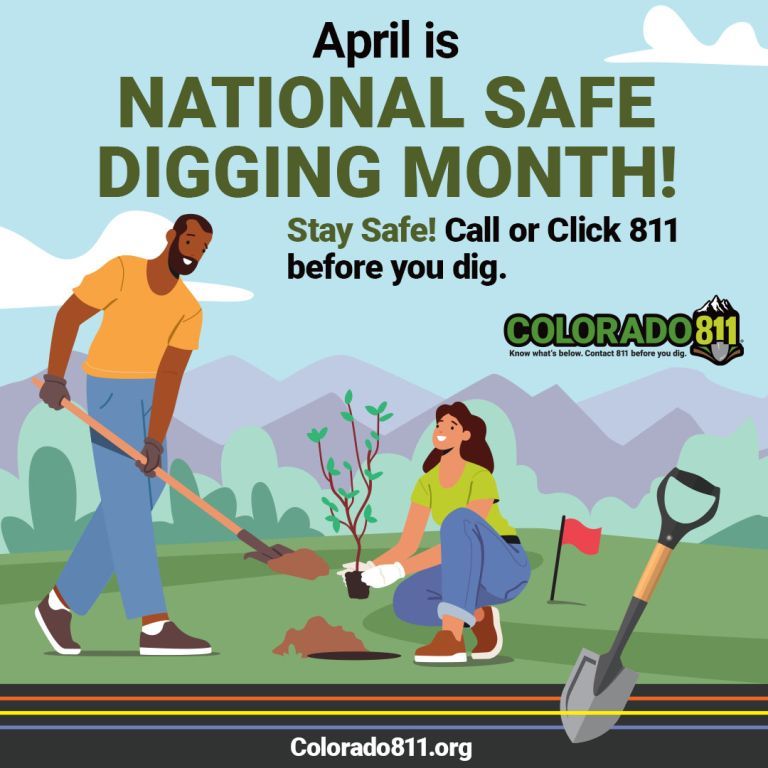
Dive into Spring Safely with Colorado 811 as We Celebrate National Safe Digging Month this April!

With the warm weather, Colorado’s digging season is in full swing. From landscaping and fence installations to irrigation, construction, and utility repairs, safe excavation practices are mission-critical.

Latest from the blog

PIPELINE Safety Act Passes Senate

Education, News
Announcing a movement in the PIPELINE Safety Act 2025: Major Updates to Damage Prevention

Discover Key Changes and New Opportunities and get familiar with this impactful legislation.

As of 04/29/2026, there are important developments in the PIPELINE Safety Act of 2025. The bill proposes improving pipeline safety and reliability through clearer requirements, stronger state programs, and new mechanisms for sharing lessons learned—aimed at reducing excavation-related incidents and protecting communities.

What the Bill Proposes

  • More funding: Damage prevention funding increases to $3M/year for FY2026–FY2030.

  • Stronger state programs: States must adopt (or make substantial progress toward) “one-call leading practices.”

  • Tighter oversight: DOT evaluates states on enforcement, reporting, and limiting exemptions.

  • Confidential learning system: A voluntary, nonpunitive information-sharing system (VIS) is established.

  • Community support: More grants and public engagement resources for damage prevention education.

  • Higher penalties: Increased civil penalties for violations to deter non-compliance.

The following highlights the major updates in the Act, focusing on practical improvements and requirements you need to know about.

Key Updates: Damage Prevention

1. Increased Funding for Damage Prevention Programs

  • The Act doubles authorized funding for damage prevention programs to $3,000,000 for each fiscal year from 2026 through 2030. This increase empowers states to strengthen their initiatives and enforcement efforts.

  • Example: States will now have more resources to implement public awareness campaigns and enforce one-call laws, helping protect pipelines and underground facilities.

2. Enhanced State Damage Prevention Program Requirements

Section 211 amends federal law to require that State damage prevention programs incorporate or make substantial progress toward a set of "one-call leading practices." These measures are aimed at reducing excavation-related damage.

One-call leading practices (examples) include:

  • Limit the size, scope, and validity period of standard locate-request tickets.

  • Define tolerance zones and requirements (for example, soft-dig only zones).

  • Set clear emergency excavation notification requirements.

  • Provide clear definitions of “excavator” and “excavation.”

  • Require white lining (marking the planned excavation area before notification).

  • Require positive response before excavation begins (confirmation utilities have marked lines or otherwise responded).

  • Require new underground facilities to be locatable using commercially available technology.

  • Improve marking of sewer lines and laterals, as applicable.

  • Set qualifications for excavators performing trenchless excavation not covered by pipeline construction regulations.

3. Stronger Evaluation Criteria for State Programs

The Secretary of Transportation must evaluate State damage prevention programs based on:

  • Effective enforcement of one-call laws, including the efficacy of fines and penalties.

  • Mandatory reporting of excavation damage events to the local one-call center, including details about the incident, organizations involved, and impacts on safety, operations, and the environment.

  • Limiting exemptions to State damage prevention laws.

  • Example: States that do not actively enforce penalties for violations or fail to require reporting of all damage events may be found non-compliant.

4. Voluntary Information-sharing System (VIS)

Section 212 establishes a confidential, nonpunitive voluntary information sharing system to encourage the sharing of pipeline safety data, including lessons learned from accidents and near misses, process improvements, and technology deployment practices.

Example: Operators can share data about excavation damages and near misses.

5. Grants and Community Engagement

  • Increased funding for pipeline safety information grants to communities (Section 103(b)), supporting local education and engagement on damage prevention.

  • The Office of Public Engagement (Section 505) is tasked with providing technical and educational assistance to the public, including outreach on damage prevention.

6. Enforcement and Penalties

The Act increases civil penalties for violations (Section 208), which can serve as a deterrent for non-compliance with damage prevention requirements.

Summary Table: Key Damage Prevention Provisions


In Summary: The Pipeline Safety Act of 2025 proposes national changes to damage prevention by increasing funding, mandating best practices for state programs, enforcement and reporting, and fostering industry-wide data/information sharing. The bill proposes that these measures are designed to reduce excavation-related pipeline incidents and improve overall pipeline safety.

As this bill moves through the legislative process, stay tuned for more updates as we work together toward safer pipelines and improved community protection.

Read More

Dive into Spring Safely with Colorado 811 as We Celebrate National Safe Digging Month this April!

Education, Event, News

Home and property owners, professional contractors, and excavation professionals statewide are invited to join this vital movement, underscored by Governor Jared Polis’s official Proclamation declaring April 2026 as Safe Digging Month in Colorado. Contacting 811 before digging for any project is not only easy and free—it’s the key to preventing injuries, avoiding service outages, and protecting costly underground utility damages.  

With the warm weather, Colorado’s digging season is in full swing. From landscaping and fence installations to irrigation, construction, and utility repairs, safe excavation practices are mission-critical. This year, Colorado 811 is thrilled to mark its 40th anniversary, celebrating decades of dedication as Colorado’s official 811 Utility Notification Center. Since 1986, we have empowered Colorado communities with resources and knowledge to keep people, property, and our State’s public underground utility infrastructure safe. 

“Damages to public underground utility lines cost the U.S. approximately $30 billion per year and the number one reason why these damages occur is because 811 was not contacted to have underground utility lines marked before digging activity occurred,” explains Claudia Randall, Executive Director of Colorado 811. “Injuries and vast damage can be prevented if everyone in Colorado simply contacts 811 to submit their underground utility line locate request to have their excavation area marked before digging. It’s free! It’s fast! And it’s the law! Help Colorado 811 keep you, your community, friends, and neighbors safe and contact 811 every time before you dig, no matter how shallow the dig area is.” 

Read More

Virginia 811 Confronts CGA Data

News, Education

In advance of National 8/11 Day on Monday we’re sharing an embargoed press release and report that challenge a central claim shaping national policy and industry practices. Authored by Virginia 811 and published by the Alliance for Innovation and Infrastructure (Aii), the report confronts the Common Ground Alliance’s latest DIRT report and its widely repeated narrative that excavation readiness is essentially a “coin toss.” The new analysis offers data-driven evidence that this framing is both misleading and potentially damaging to the very systems it seeks to improve — with implications for broadband rollout, public safety, labor efficiency, and project delays across the country. This piece, titled “Sound and Fury, Signifying Nothing,” is grounded in Virginia-specific data and offers a compelling counterpoint: that readiness is far more robust and nuanced, and that national metrics lack contextual clarity. 

Read the press release here.

Read More

Colorado 811 Highlights 811 Day and the Importance of Safe Digging in Colorado

News, Event

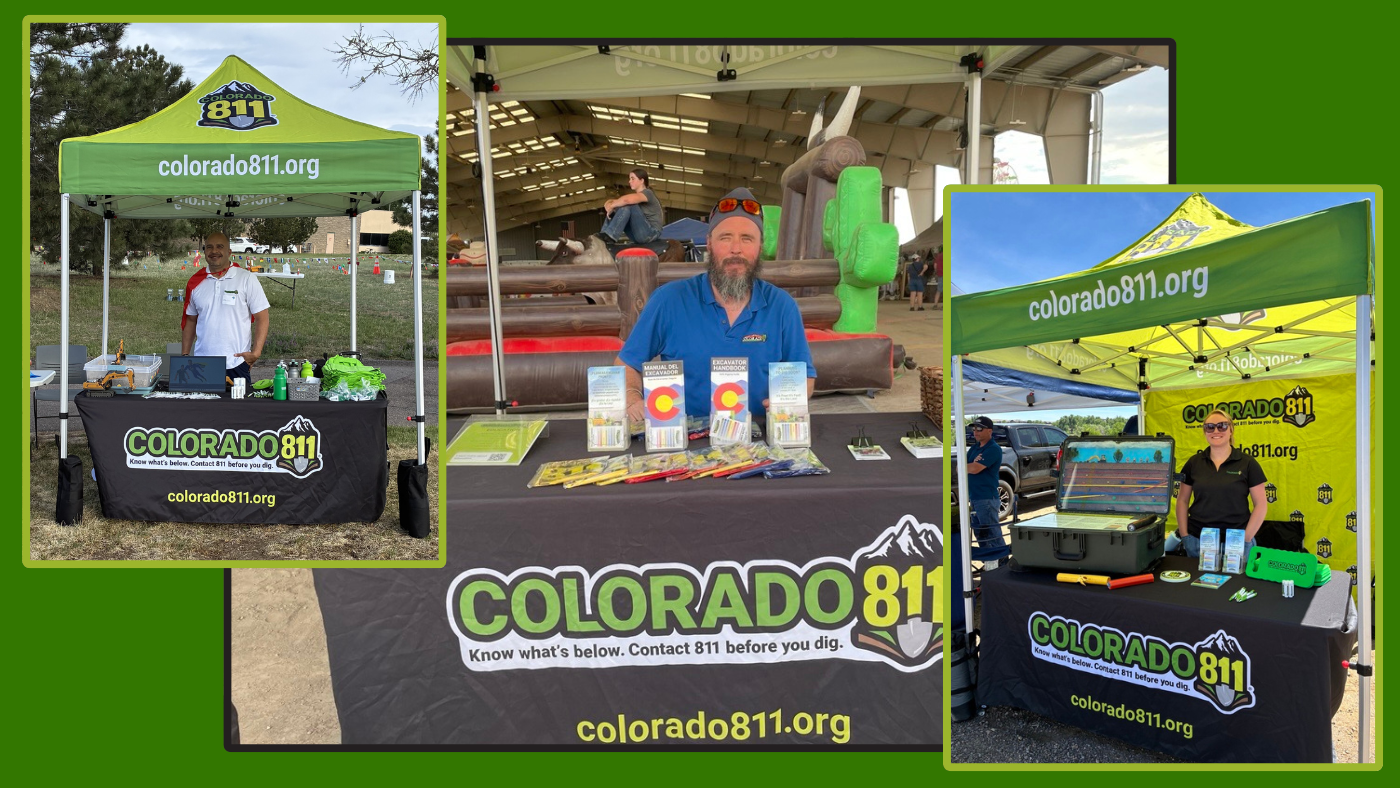
Each year on August 11, 811 Day, Colorado 811 joins with partners and communities across the state to celebrate 811 Day—a reminder of the vital role the 811 “Call Before You Dig” service plays in public safety. As Colorado continues to promote safe digging, Governor Jared Polis has joined Colorado 811, the Department of Labor and Employment, and the Division of Oil and Public Safety in supporting the annual effort to keep Coloradans safe near underground infrastructure.

Launched in 2005, the 811 service provides a free and simple way for contractors and homeowners to request public underground utility markings before beginning any digging project—helping to prevent avoidable injuries, costly utility outages, and repairs. Colorado law requires anyone digging to contact 811 at least three business days before excavating to ensure all public utility lines are clearly marked.

Contacting 811 is essential whether you’re planting a tree, installing a fence, or taking on any project that involves breaking ground. By making a locate request at colorado811.org or calling 811, property owners protect themselves and others from accidents, interruptions, and liability. Utility companies will mark lines with paint and flags so you can dig safely—just remember, always hand dig within 18 inches of utility marks.

“Every year, damages to public underground utility lines cost the U.S. billions, mainly because 811 was not contacted first,” says Claudia Randall, Executive Director of Colorado 811. “Digging safely is everyone’s responsibility. It’s free, it’s fast, and it’s the law. Help us keep Colorado safe—always contact 811 before you dig.”

In an effort to further damage prevention education, Colorado 811 will be holding it’s annual Damage Prevention Summit and Expo on Friday, October 3 at the Great Wolf Lodge in Colorado Springs. This is a growing and essential event for Colorado Utility Owners, Excavators, Locators and other dedicated professionals protecting our underground utility infrastructure in Colorado. There will be valuable education sessions, a keynote speaker, prize giveaways and a networking event. For more information, visit this page.

For more on safe digging and to request a locate, visit colorado811.org.

Governor Polis’ Proclamation

In alignment with this important campaign, Governor Jared Polis has issued a proclamation recognizing the importance of 811 Day. The proclamation reads as follows:

Proclamation by Governor Jared Polis:

“Whereas, damage to Colorado’s underground utilities by excavation and digging projects directly affects the safety and economic welfare of our people and communities; and

WHEREAS, Colorado established the One-Call Notification System in 1986 as a fast, easy, and comprehensive way to ensure that underground facilities are properly marked before an excavation project or any digging begins; and

WHEREAS, it is important for excavators, contractors, and homeowners to know that state law requires them to contact Colorado 811 (the Utility Notification Center of Colorado) before embarking on any excavation or digging project; and

WHEREAS, Colorado 811 continually works to raise awareness about its key message: “811, know what’s below, call before you dig”; and

WHEREAS, Coloradans recognize Colorado 811 for its continuing efforts to reduce the incidence of preventable utility damages and so help protect the health and prosperity of our state; and

WHEREAS, the Underground Damage Prevention Safety Commission within the Colorado Department of Labor and Employment’s Division of Oil & Public Safety promotes public safety by developing best practices and reviewing complaints of alleged violations of the One-Call Law;

Therefore, I, Jared Polis, Governor of the State of Colorado, do hereby proclaim August 11, 2025, as 811 DAY in the State of Colorado.
Read More

Safe Digging Month 2024

Event, News

Each year Colorado 811 observes and celebrates April as National Safe Digging Month. This year Colorado 811 partnered with Colorado Governor Jared Polis to secure a proclamation declaring April as Safe Digging Month.

The Stage of Colorado Proclamation issued April 1, 2024 reads:

Whereas, damage to Colorado’s underground utilities by excavation and digging projects directly affects the safety and the economic welfare of our people and communities; and

Whereas, Colorado established the One-Call Notification System in 1986 as a fast, easy, and comprehensive way to ensure that underground facilities are properly marked before an excavation project or any digging begins; and

Whereas, it is important for excavators, contractors, and homeowners to know that state law requires them to contact Colorado 811 (the Utility Notification Center of Colorado) before embarking on any excavation or digging project; and

Whereas, Colorado 811 continually works to raise awareness about its key message: “811, know what’s below, call before you dig”; and

Whereas, Coloradans recognize Colorado 811 for its continuing efforts to reduce the incidence of preventable utility damages and so help protect the health and prosperity of our state; and

Whereas, the Underground Damage Prevention Safety Commission within the Colorado Department of Labor and Employment promotes public safety by developing best practices and reviewing complaints of alleged violations of the One-Call Law;

Therefore, I, Jared Polis, Governor of the State of Colorado, do hearby proclaim the month of April 2024, as DIG SAFELY MONTH

Request a locate. It’s simple, it’s fast and it’s free.

Read More

Categories

Accessibility Tools